





 Portugués
  Inglés
  Español
  6 min de lectura
  0 comentarios


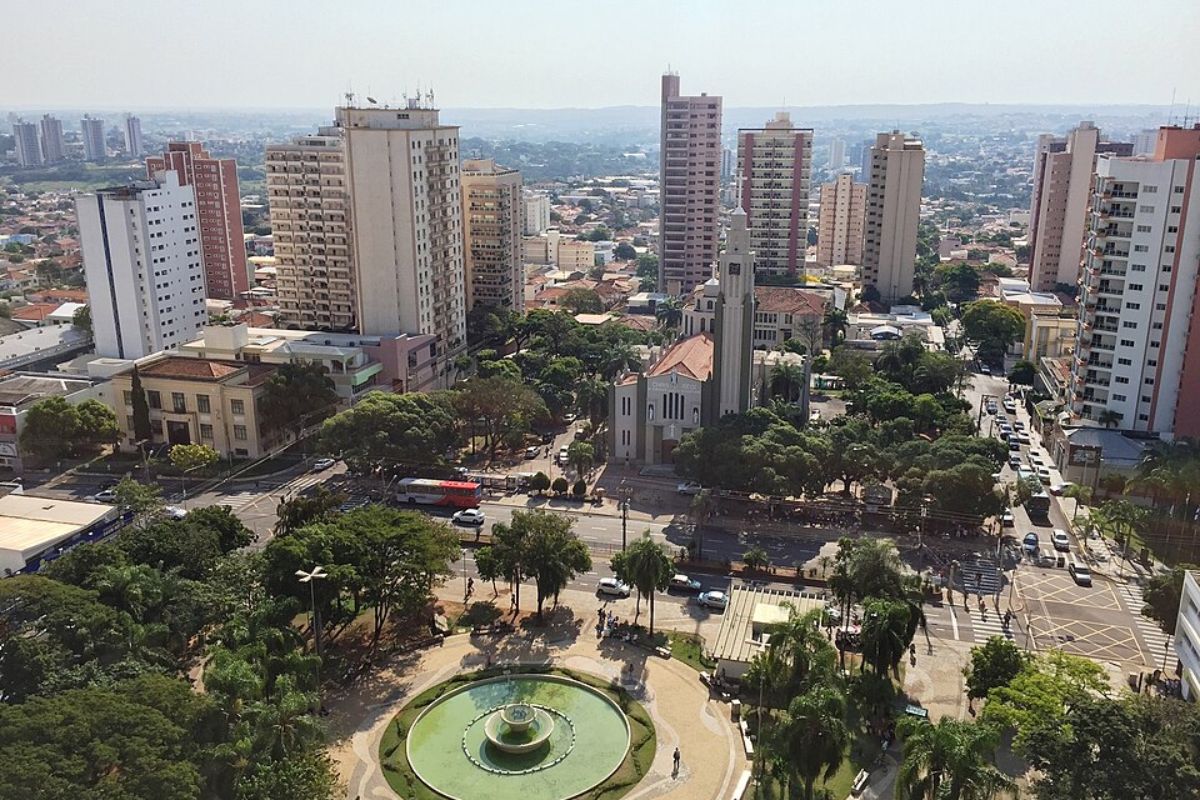
The Paulista City of Presidente Prudente Was Born Before the Railroad, Today It Has Hot Springs in the Middle of Asphalt, a Cultural Center in an Old Factory, and an Urban Park with a Resort-Like Atmosphere in the Far West of the State.
In the far west of São Paulo, the Paulista city of Presidente Prudente has natural hot spring pools fed by an urban thermal well, something rare even among established tourist destinations. Just a few meters from these waters, residents and visitors walk, practice sports, and watch the sunset over Parque do Povo, a postcard that helps explain why the municipality has become a reference for quality of life in the western part of São Paulo.
Over the course of just over a century, this Paulista city grew alongside the tracks, recycled industrial warehouses into a cultural center, and created a leisure complex with hot springs in the urban perimeter. The result is a destination that blends railway history, industrial memory, culture, and well-being, without losing its small-town rhythm.
The Colonel Who Cleared the Forest Before the Tracks
On September 14, 1917, Francisco de Paula Goulart led the clearing of virgin forest in the Santo Anastácio river region. Interestingly, the Paulista city began to emerge even before the Sorocabana Railway arrived, which only happened in January 1919.
-
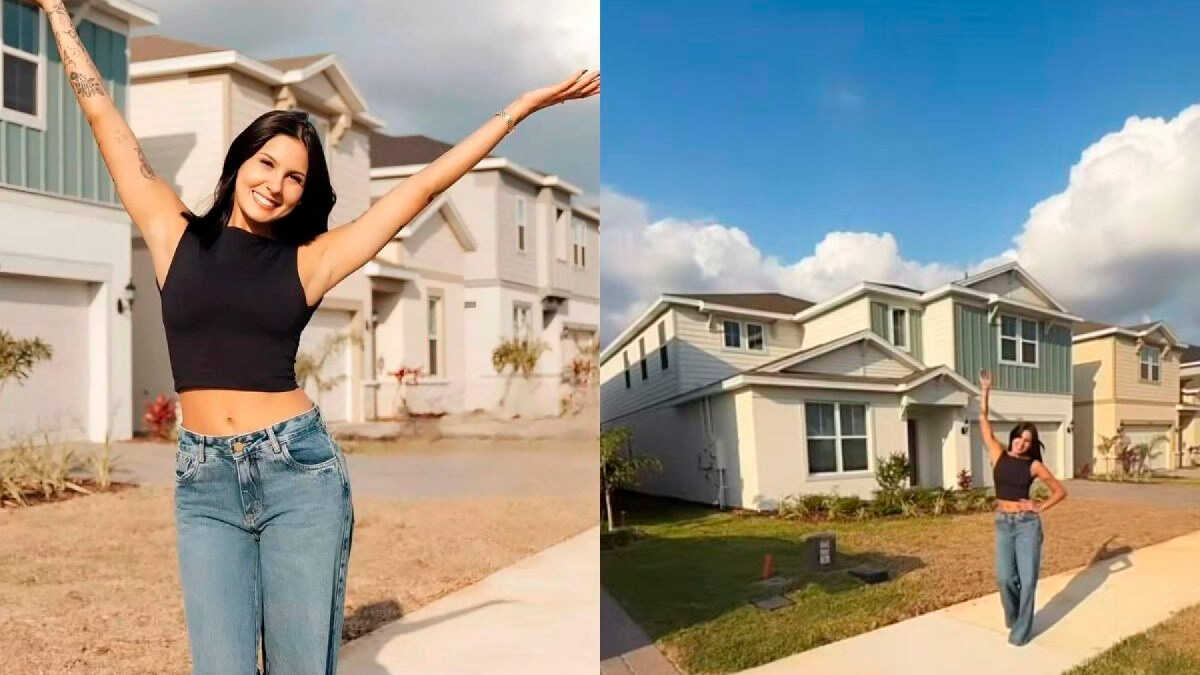
De estrella del sertanejo a inversora internacional: Ana Castela apuesta millones en una mansión en EE. UU., crea un hospedaje temático en Orlando y muestra que la “boiadeira” también quiere crecer lejos de los escenarios.
-
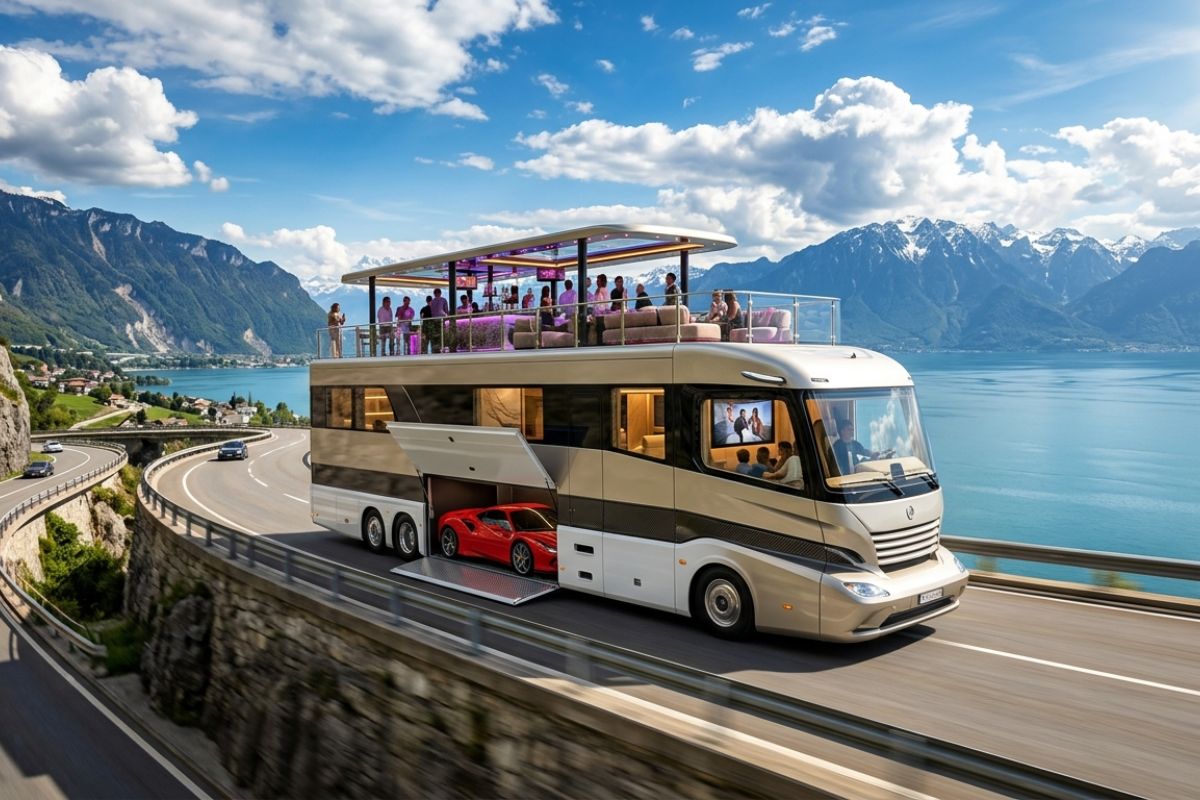
Los 10 autocaravanas más deslumbrantes del mundo: remolque de 3 millones de dólares con discoteca en el techo y garaje para Ferrari, “palacios sobre ruedas” con mármol italiano, cine privado y lujo de hotel de cinco estrellas para multimillonarios.
-
Trump quería gastar US$ 400 millones en la Casa Blanca, pero la justicia prohibió la construcción millonaria.

-
Cómo los egipcios levantaron obras gigantes como pirámides, templos y obeliscos sin tecnología moderna, grúas o motores aún asombra al mundo y revela el poder de una ingeniería basada en rampas, palancas, cuerdas y una organización colosal.
The settlement was named in honor of Prudente de Morais, Brazil’s first civilian president and former governor of São Paulo. With the tracks already laid, the village became a coffee entrepot.
After the 1929 crisis, cotton took center stage and attracted industrial giants, such as Indústrias Reunidas Francisco Matarazzo, which established themselves in 1937.
Subsequently, livestock farming consolidated a new economic cycle. Presidente Prudente became known as the birthplace of the nelore mocho cattle and quarter horse in Brazil, connecting its rural past to its current vocation as a regional hub for services, commerce, and education.
From Matarazzo Factory to the Largest Cultural Center in the West
For decades, the warehouses where Indústrias Reunidas Francisco Matarazzo processed cotton and cereals were closed and abandoned. The population fought for preservation, achieved in 1987 by municipal decree, with the aim of preserving the city’s industrial memory.
In 2007, the City Hall purchased the complex and began renovations. What was once a factory became the Matarazzo Cultural Center, now the main cultural facility in the Paulista city and a reference throughout the western part of the state. The space includes a theater, cinema, library, art gallery, studios, and an arts school.
Since 2009, the cultural center has welcomed millions of visitors. The facade retains the original inscription «S/A I.R.F. Matarazzo,» and old passages that connected production to the tracks have reopened with a new purpose. Now, it is the city itself that occupies these corridors, transforming industrial heritage into everyday cultural life.
Hot Springs in the Heart of the Paulista City
If the factory turned into culture, the hot water turned into well-being. The Sesc Thermas is the only Sesc unit in São Paulo with natural hot spring pools, supplied by a well drilled in an urban area. The well is located in Parque do Povo, just a few meters from the leisure complex.
The hot water springs from the underground and feeds three pools, used for both leisure and health activities. In over 30,000 square meters of green area, Sesc offers cultural programming, sports, and courses, in addition to aquatic physiotherapy through SUS.
This is the type of facility that many expect to find in famous tourist cities, but here it appears integrated into the daily life of a medium-sized city.
For those looking for a Paulista city that combines rural routine, urban infrastructure, and a “natural spa,” Presidente Prudente delivers a combination hard to find in other regions of the state.
What to Do in Presidente Prudente
Prudente, as the residents call it, concentrates a good part of its attractions within a small radius, which makes it easier for those who come to spend a few days.
Parque do Povo works as the city’s living room. With walking paths, courts, a skate park, social areas, and fairs on weekends, it is the place where the city meets to walk, have an ice cream, or attend outdoor events.
The Matarazzo Cultural Center deserves at least an entire afternoon. Walking through the exposed brick warehouses, entering the theater, visiting exhibitions, and observing the preserved details of the old factory helps to understand how this Paulista city recycles its own history.
The Amizade Spa, with a freshwater beach, kiosks with barbecue facilities, sand courts, and a children’s park, offers an “open club” experience for families and groups of friends. The Cidade da Criança, along the Raposo Tavares highway, combines toys, green spaces, and leisure areas designed especially for children.
In the center, the Cathedral of São Sebastião marks the city’s zero milestone, with stained glass and architecture that dominate the scenery of several corners.
When to Visit This Paulista City in the Far West
The weather is warm for most of the year, with dry and milder winters. The period from March to October is usually the most comfortable for outdoor activities.
Summer, from December to February, has temperatures ranging from 22 to 32 degrees, with more frequent rainfall. During this time, enjoying the Sesc Thermas facility and the Amizade Spa helps to make the heat more pleasant.
In autumn, between March and May, the weather becomes more stable and temperatures drop a bit, making walks in Parque do Povo and trips to fishing spots and rural areas more comfortable.
Winter, from June to August, is dry and mild, with lows around 13 degrees and highs near 25. This is an excellent time to circulate through the city, enjoy the cultural center, and still enjoy the hot waters without the extreme heat.
In spring, from September to November, the heat returns, but rainfall is not as intense as in summer, a balance that favors visits to the Amizade Spa and other outdoor points.
The temperatures are approximate, based on historical averages, and conditions may vary from year to year.
How to Get to This Paulista City in the West
Presidente Prudente is located about 558 kilometers from the state capital via Raposo Tavares highway, a journey that takes around seven hours by car, depending on traffic conditions.
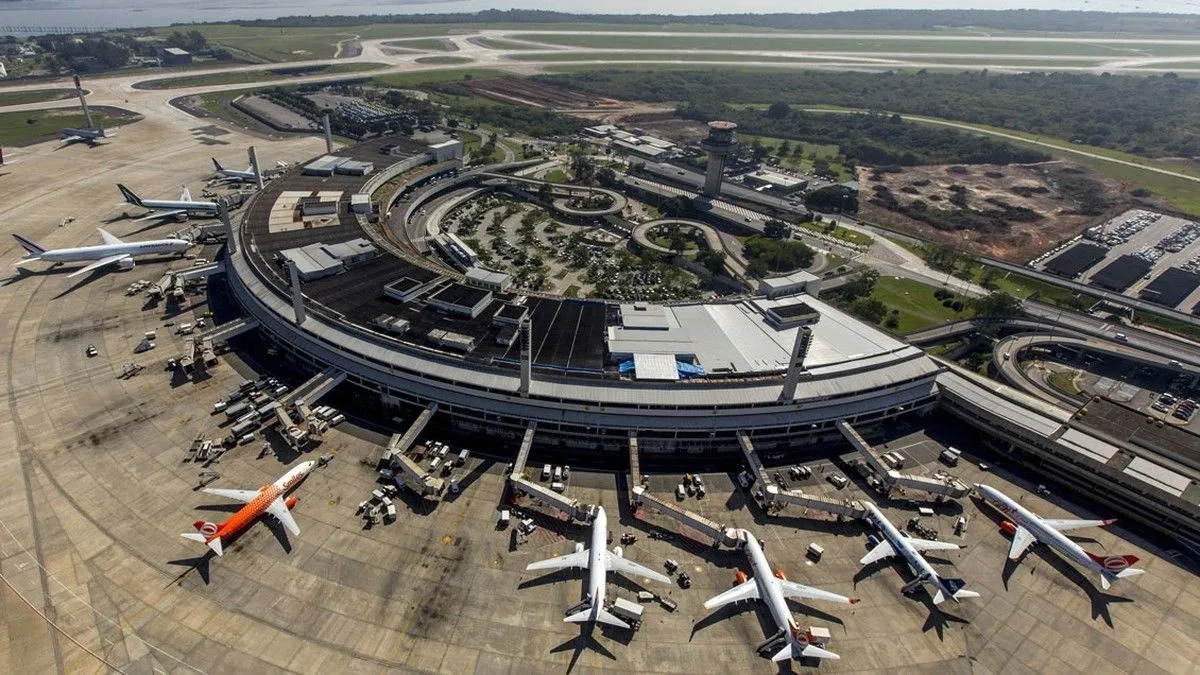
Those who prefer to fly can use the Adhemar de Barros State Airport, which operates commercial flights to São Paulo and Campinas. There are also buses departing from São Paulo’s Tietê Bus Terminal, operated by companies serving the Raposo Tavares axis.
This combination of access by highway, plane, and bus reinforces Presidente Prudente’s role as a regional hub and makes it easier for those who want to explore the city on a long weekend getaway.
Why Add Presidente Prudente to Your List
Prudente was born from the actions of a colonel who cleared the forest before the arrival of the train, crossed cycles of coffee, cotton, and livestock, saw factories close down, and instead of letting the past crumble, transformed warehouses into culture and a thermal well into a public well-being policy.
Today, this Paulista city of about 230,000 inhabitants shows that the western part of the state is not just roads and pastures, but also packed theaters, lively parks, hot spring pools, and postcard sunsets in the Amizade Spa.
If you are looking for a different destination in the interior of São Paulo, where it is possible to relax in hot springs, walk through a well-maintained urban park, and visit a cultural center set in an old factory, it’s worth considering a trip to Presidente Prudente.
And you, did you already know this Paulista city in the far west or do you feel like adding Presidente Prudente to your next route through the interior of São Paulo?




-

-

-

-

8 pessoas reagiram a isso.