





 Inglés
  Francês
  Alemão
  Italiano
  Japonês
  Norueguês
  Portugués
  Español
  2 min de lectura
  0 comentarios


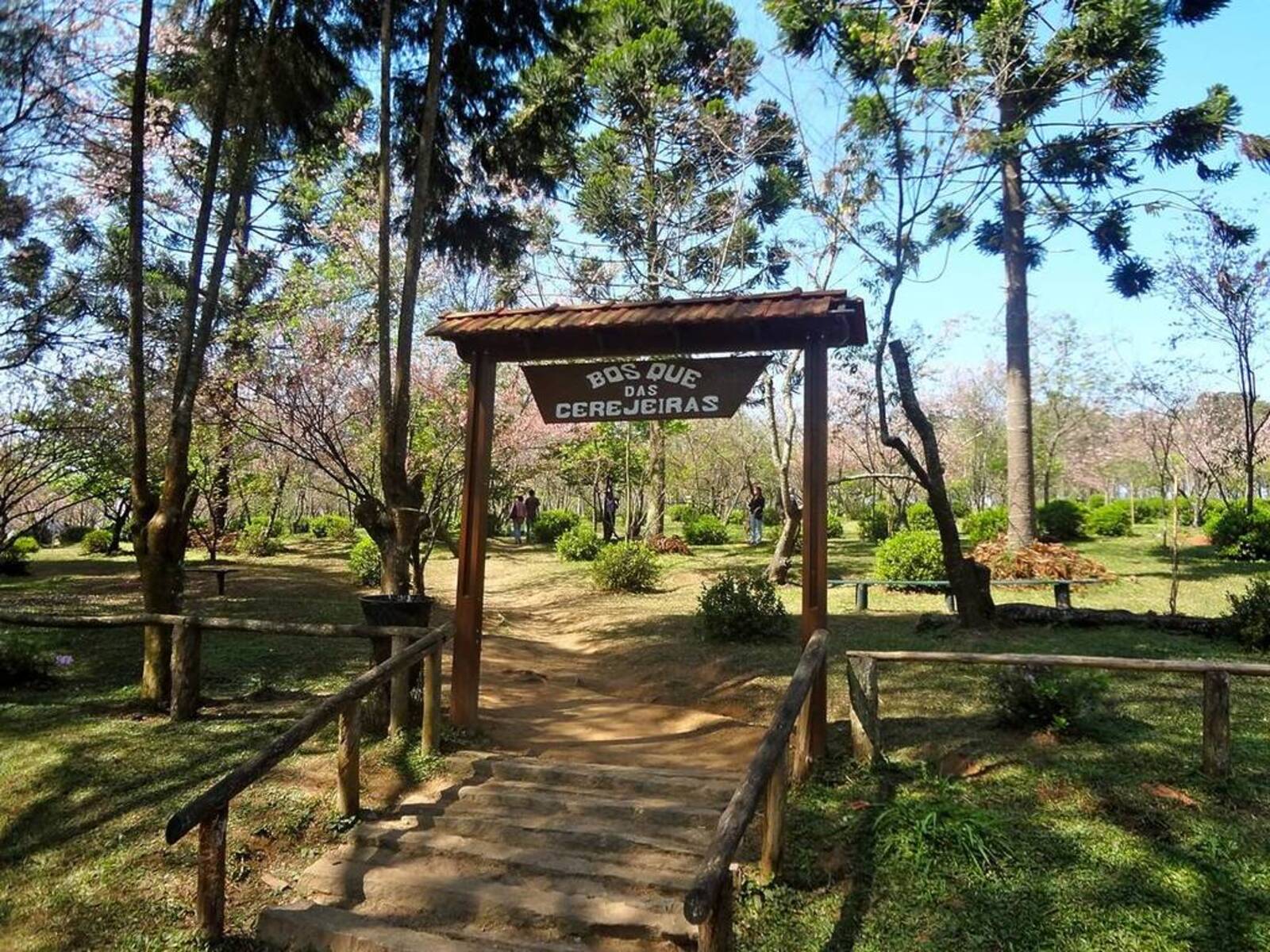
Located in Itaquera, the Parque do Carmo left an old private farm to become one of the largest green areas in São Paulo, with 2,300 cherry trees, more than 1.5 million square meters, and a festival that attracts thousands of visitors every year
When talking about pink flowers, many people think of Japan, but the Parque do Carmo, in Itaquera, brings together 2,300 cherry trees, occupies more than 1.5 million square meters, and has become one of the main green spaces in São Paulo.
From farm to public heritage
Before becoming public heritage, the area of Parque do Carmo was a private property. In the 1940s, Oscar Americano de Caldas Filho bought the land and began to shape the landscape we see today.
The engineer planted eucalyptus and pine trees on the site. He also built a lake for water sports and to host friends and family during moments of relaxation.
-
China ha intentado durante 13 años construir una ferroviaria en el desierto de Gobi para llegar a Mongolia y aún faltan 20 kilómetros que nadie puede terminar debido a un problema que parece imposible de resolver.

-
Con 905 metros, China levanta la mayor escalera mecánica urbana del mundo en Chongqing, superando más de 240 metros de desnivel, equivalente a 80 pisos, y reduciendo el trayecto de 1 hora a solo 20 minutos.

-
Con 56 toneladas, el helicóptero más grande y potente del mundo es un gigante de 32 metros que consume 9 litros por segundo, ya ha rescatado aviones enteros en misiones extremas y su altura es equivalente a un edificio de 3 pisos.

-
Lo que motiva a los niños a aprender y lo que no funciona: un estudio con más de 200,000 alumnos revela por qué la curiosidad supera las recompensas y cómo las calificaciones, elogios y premios pueden reducir el rendimiento y la creatividad.


Change after 1974
With the death of Oscar Americano de Caldas Filho in 1974, the heirs sold the area to the city hall. After that, the land was transformed into public heritage of the city of São Paulo.
The official inauguration of Parque do Carmo took place on September 19, 1976. The old mansion of the Americano family became the Museum of the Environment.
The lake, previously used for sports activities, became a refuge for geese, swans, ducks, and fish, marking the new function of the space in the capital.
Preserved structure and fauna
Today, Parque do Carmo houses one of the largest planetariums in Latin America. The space includes bike paths, courts, and running tracks for leisure and sports practice.
In addition to the infrastructure, the park preserves a varied fauna. Among the animals mentioned in the area are squirrels, monkeys, and woodpeckers, present in the second largest green area in São Paulo.
Cherry tree grove and festival
The highlight of Parque do Carmo is the cherry tree grove. With 2,300 trees, it is considered the second largest outside of Japan, only behind Japanese groves and the one in Washington D.C.
The planting of sakuras began in 1918 with Hisayoshi Kataoka. The immigrant brought 1,500 seedlings from his country and, with the support of the São Paulo City Hall, replanted the trees in the park.
Traditionally in August, Parque do Carmo hosts the Cherry Blossom Festival, the Sakura Matsuri. The celebration attracts thousands of people and reinforces this custom in the capital.
With information from São Paulo Secreto.







Seja o primeiro a reagir!