





 Portugués
  Inglés
  Español
  4 min de lectura
  0 comentarios


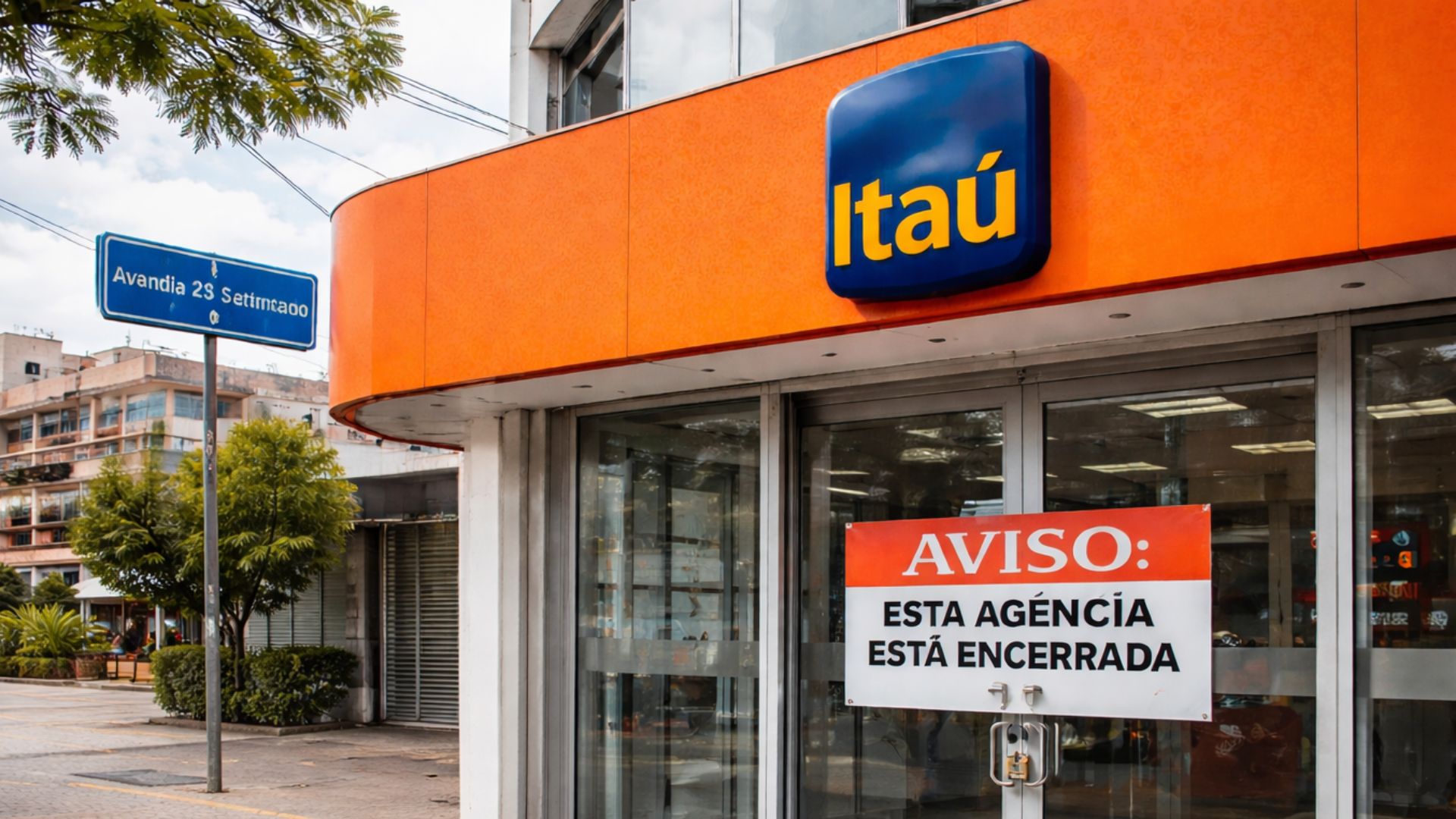
Closure of Itaú Branch in Camaçari, Scheduled for March 18, 2026, Foresees Automatic Migration of More Than 22 Thousand Accounts to Another Unit in the City and Reignites the Debate Over Face-to-Face Service, Financial Inclusion, and the Speed of Banking Digitalization.
Itaú Unibanco announced that it will close, on March 18, 2026, the branch located on Avenida 28 de Setembro, in Camaçari, in the Metropolitan Region of Salvador, automatically transferring approximately 22 thousand clients to another unit in the municipality.
According to information disclosed in reports and records from local entities, the branch identified as 7689 will cease to operate in person, with the transfers of services to branch 0501, on Avenida Getúlio Vargas, also in the city center.
Automatic Transfer of Accounts and Face-to-Face Service
According to the bank, account holders will not need to open a new account to continue using the services, as the migration is administrative and preserves relationship data, cards, passwords, limits, and access to electronic channels.
-
El gobierno pide a la Receita Federal un nuevo sistema para automatizar la declaración del impuesto sobre la renta, reduciendo errores, tiempo y burocracia para millones de brasileños.

-
Pix parcelado, Pix internacional y pago por aproximación sin internet: el Banco Central reveló las novedades que están llegando para la herramienta que ya es utilizada por casi todos los adultos en Brasil.

-
Mercado Libre acaba de comenzar a vender medicamentos con entrega en hasta tres horas en tu puerta, y esta jugada puede cambiar completamente la forma en que los brasileños compran medicamentos en el día a día.

-
En Dubái, la creciente tensión de la guerra en Oriente Medio hace que los superricos abandonen el Golfo y dirijan sus fortunas hacia un nuevo refugio financiero en Asia.


The institution also informed that, after the closure, clients will be able to be served in person at the destination unit, in addition to maintaining access to ATMs, banking correspondents, and digital channels, such as the app and internet banking.
Although Itaú’s communication emphasizes operational continuity, the branch closure alters the logistics of travel for some users, especially for those who depend on face-to-face service to resolve issues related to benefits, credit, registration updates, and guidance.
In Camaçari, the discussion gained traction because the branch serves a significant volume of accounts, including beneficiaries of INSS and clients linked to payrolls of local companies, according to numbers attributed to representative entities.
Local Reaction and Debate Over Access to Essential Services
The City Hall of Camaçari reported that it held a meeting to address the announcement of closure, bringing together representatives of the bank, unions, and organized movements, with the aim of discussing alternatives in light of the decision communicated by the financial institution.
This type of municipal articulation occurs in a context where the closure of banking units has started to provoke mobilization from workers and residents, especially when the closure affects areas with high traffic and concentrated services.
In the capital, for example, union entities have already reported protests and public events in episodes of reduction of Itaú’s physical network, associating the measure with increased demand at the remaining branches and difficulties for some clients.
At the same time, the bank has maintained, in communications about similar changes, that the reorganization follows consumer behavior, which is increasingly centered on digital operations, while the physical structure would be resized to new search patterns.
Banking Digitalization and Impact on Customer Service
The closure of the unit in Camaçari is part of a broader process of digitalization of financial services, which has reduced the role of the branch as the entry point for routine operations, such as transfers, payments, and inquiries.
Nonetheless, face-to-face service remains relevant for segments that face technological barriers, connection instability, low familiarity with apps, and the need for human mediation in conflicts, renegotiations, and security procedures.
For these users, the distance to the destination unit and the potential concentration of the public at fewer service points may mean longer wait times, greater dependence on transportation, and more difficulty in resolving demands that require documents or validations.
In reports about the case, the mentioned transfer involves tens of thousands of registered clients, making the transition a large-scale operation, with potential impact on both consumer experience and the work routine of the teams.
The issue also mobilizes unions, which monitor closures in different states and associate the reduction in the number of branches with internal restructuring, efficiency targets, and changes in the distribution of positions, although each case has its own dynamics.
In the case of Camaçari, published reports indicate that the closed unit has a staff and clientele with strong territorial ties, reinforcing the debate about how to preserve essential services, especially for those seeking services outside the digital standard.
The municipal management itself indicated that it has opened a dialogue with the financial institution to address the issue, a move that typically occurs when closure is perceived as a risk of losing a service that, in practice, functions as urban infrastructure.
Until the scheduled closure date, the expectation is that the bank will maintain regular operations and direct clients to the destination branch, providing guidance on service, alternative channels, and any necessary registration adjustments.







-

-

-

-

-

-

81 pessoas reagiram a isso.